Farmers Bridge Road
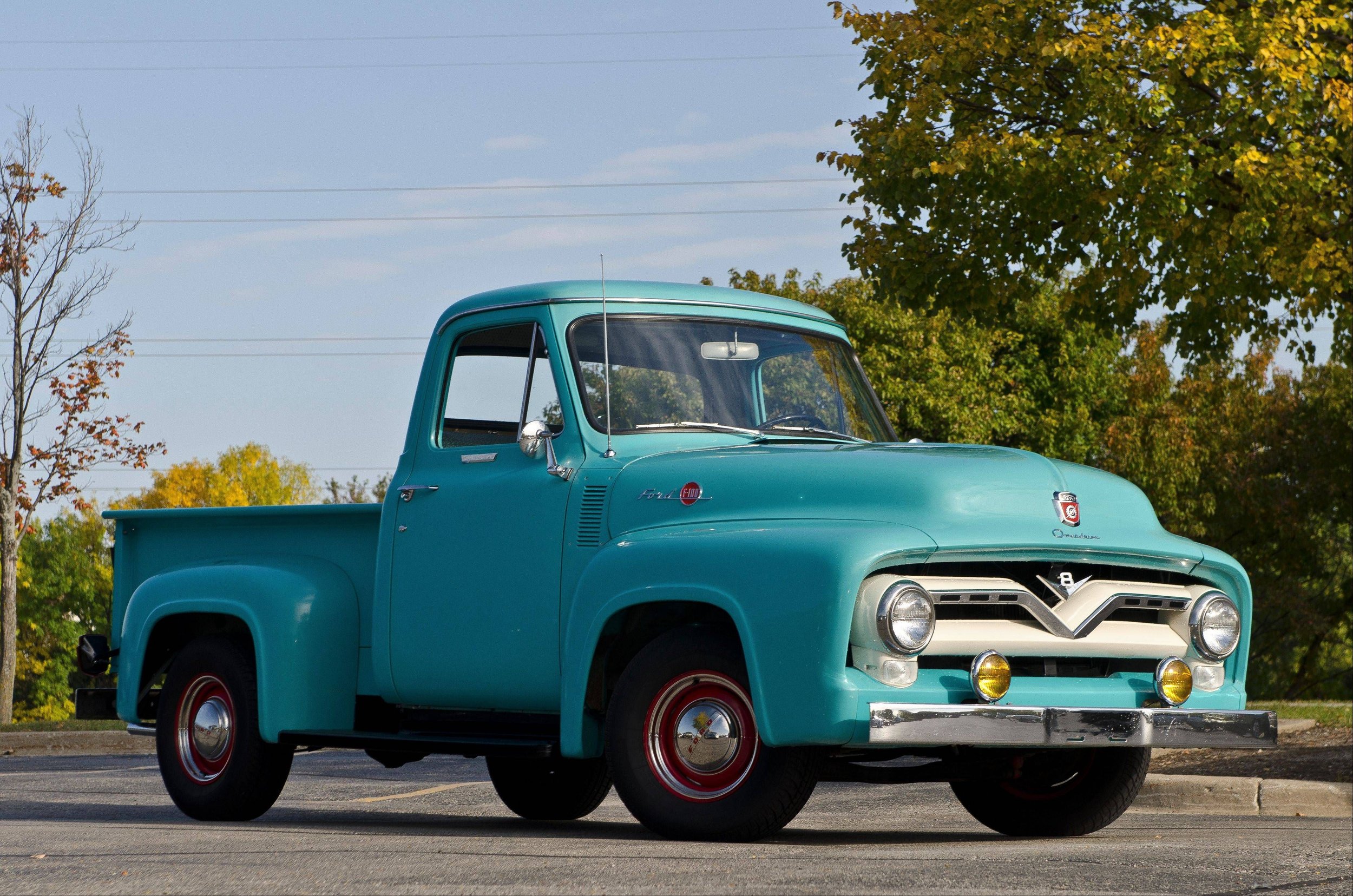
When the new army training center, Post Gordon, opened near Augusta, Daddy, along with every other able-bodied man in the area, applied for a job there. It was opened to train solders for the Korean war. Daddy applied for a job thinking he might get something in landscaping and grounds keeping, but to his surprise, he was placed in the air conditioning and refrigeration shop, something he had no knowledge of. This was in the early ‘50’s. Air conditioning and refrigeration had not been experienced by most people at that time. Daddy was probably one. But he took the job anyway. That meant a steady paycheck every two weeks. Overnight we went from poor dirt farmers to blue collar middle class. Daddy used this new wealth to buy a new pickup truck, after all, he needed a reliable truck to get to work, or he might lose his job. The new truck was Daddy’s first ever new vehicle.
The next major purchase was a farm of his own. He bought a ninety-one-acre farm on Farmers Bridge Road, still in Burke County. Farmers Bridge Road got its name from the wooden bridge that crossed over Briar Creek about four miles down the road from us.The farm was the first, and only, land he and Mother would own. The best thing about this new farm was we wouldn’t plant cotton anymore. Our cotton-picking days were in the rear-view mirror when we left The Carswell Place for the new farm. It was October 1955. I was 9.
The farm consisted of ninety-one acres with a wooded area along a small creek we called a branch. The open area consisted of poor sandy soil, too poor to grow cotton, but where sassafras bushes flourished. I remember a friend, “Rooster” Campbell, an elderly black man, upon seeing our farm the first time said, “This dirt’s so ‘po you couldn’t raise “chullen” on it.” Rooster was not far from wrong, but we managed.
The old farmhouse was built in the 20’s. Its architectural style was also known as Dog Trot, as was the house at The Carswell Place. Like the Carswell house, there was no bathroom but there was hot and cold water. The water was supplied by an electric pump. The kitchen had an electric stove, so Mother’s cooking workload was much improved. The heat was by a wood heater in the combined kitchen, dining, and family room. It was mine and Jimmy’s job to keep wood cut for the heater.
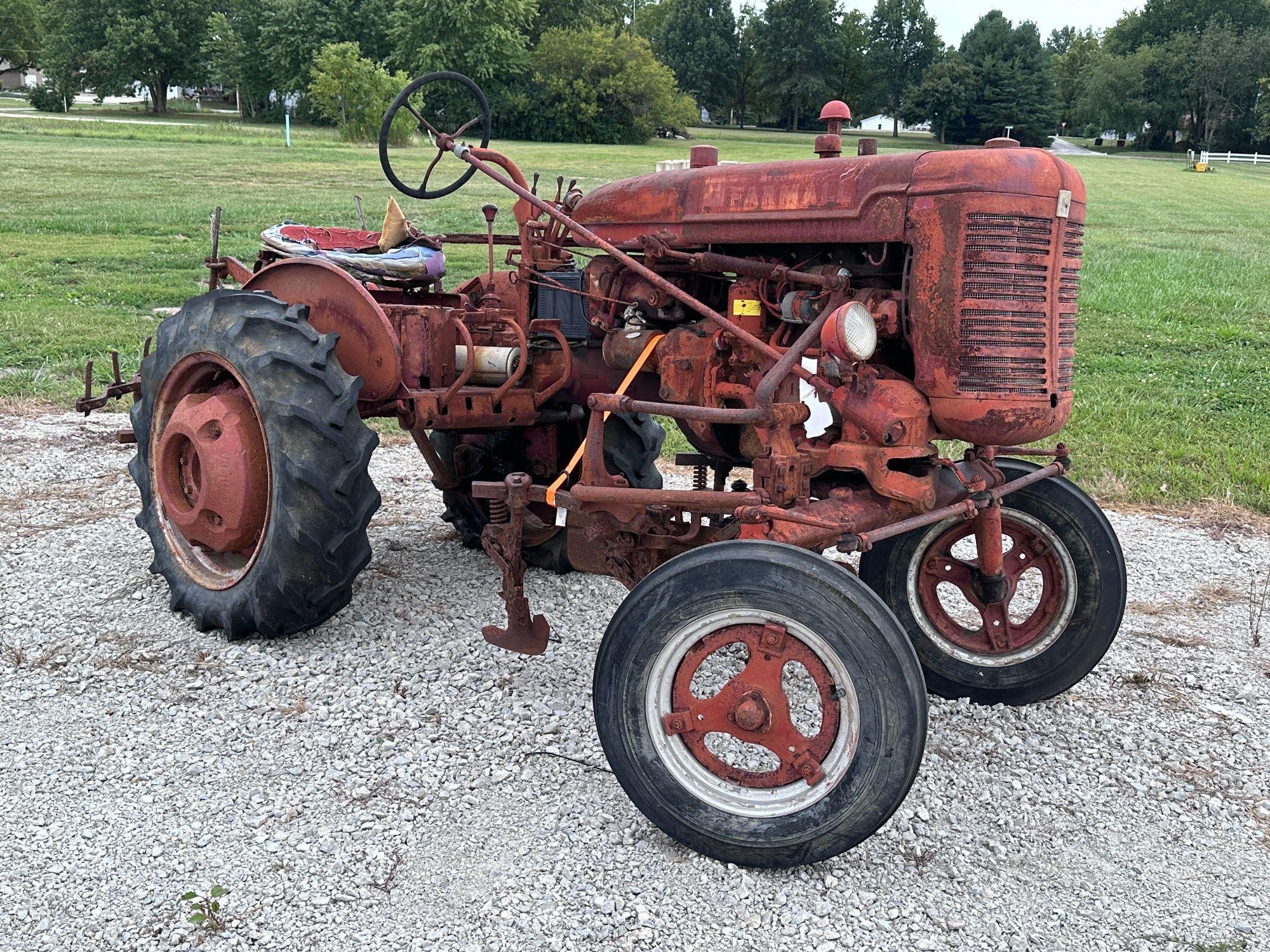
The open land been neglected for many years. It had been taken over with small sassafras and other bushes. As soon as we got settled in, Daddy told me and Jimmy to follow him as he drove the old Farmall tractor out to the bushy field near the house. He stopped near a sassafras bush, got off the tractor and wrapped a chain around it. Then he mounted the tractor and pulled the bush up. He told me and Jimmy, “This is where we will plant our garden in the spring.” Then he motioned to the bushes behind the barn and said, “That is where we will plant corn, cantaloupe and watermelons. I want these pushes pulled up before planting time.” Me and Jimmy knew what we would be doing every evening after school and on Saturdays all winter.
While working in the fields or garden, if an airplane flew over, I would stop and watch it until it was out of sight. I envied the people in the airplanes, especially the pilot. Daddy caught me watching an airplane one day and asked, “Why are you watching that airplane?” I told him that one day, I would like to fly. And maybe I would be a pilot. Daddy thought a few minutes, the he looked at me and said, “Rooster, (that was the nickname he had for me) by the time you get to be grown, you will be a pilot as everybody will be flying helicopters instead of driving cars.” I looked forward to the day Daddy’s prophecy would come true, -but it didn’t.
Our farming was mostly limited to a large garden, growing corn for the pigs and cows, and a few watermelons and cantaloupes. We would sell vegetables, watermelons, and cantaloupes in Augusta on Saturdays, going door to door in affluent neighborhoods. I did not like knocking on strangers’ doors and asking them to buy from us. I remember one lady referred to us as peddlers in her conversation with another lady while they were inspecting the vegetables. I didn’t like that term, so when I was putting squash in her basket, I selected the poor-quality ones for her.
Me and Jimmy did most of the work, but Daddy kept the money.