The Beginning
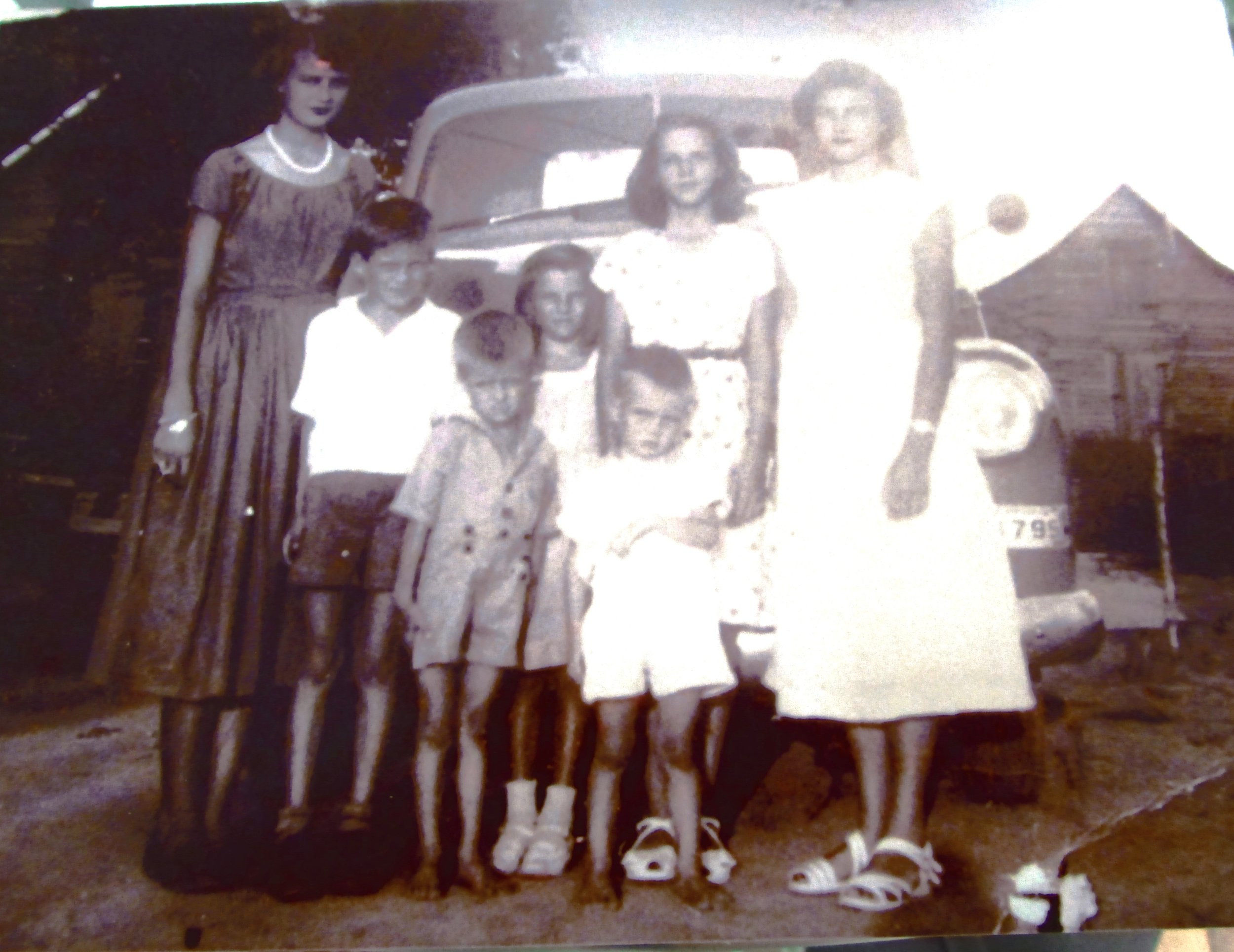
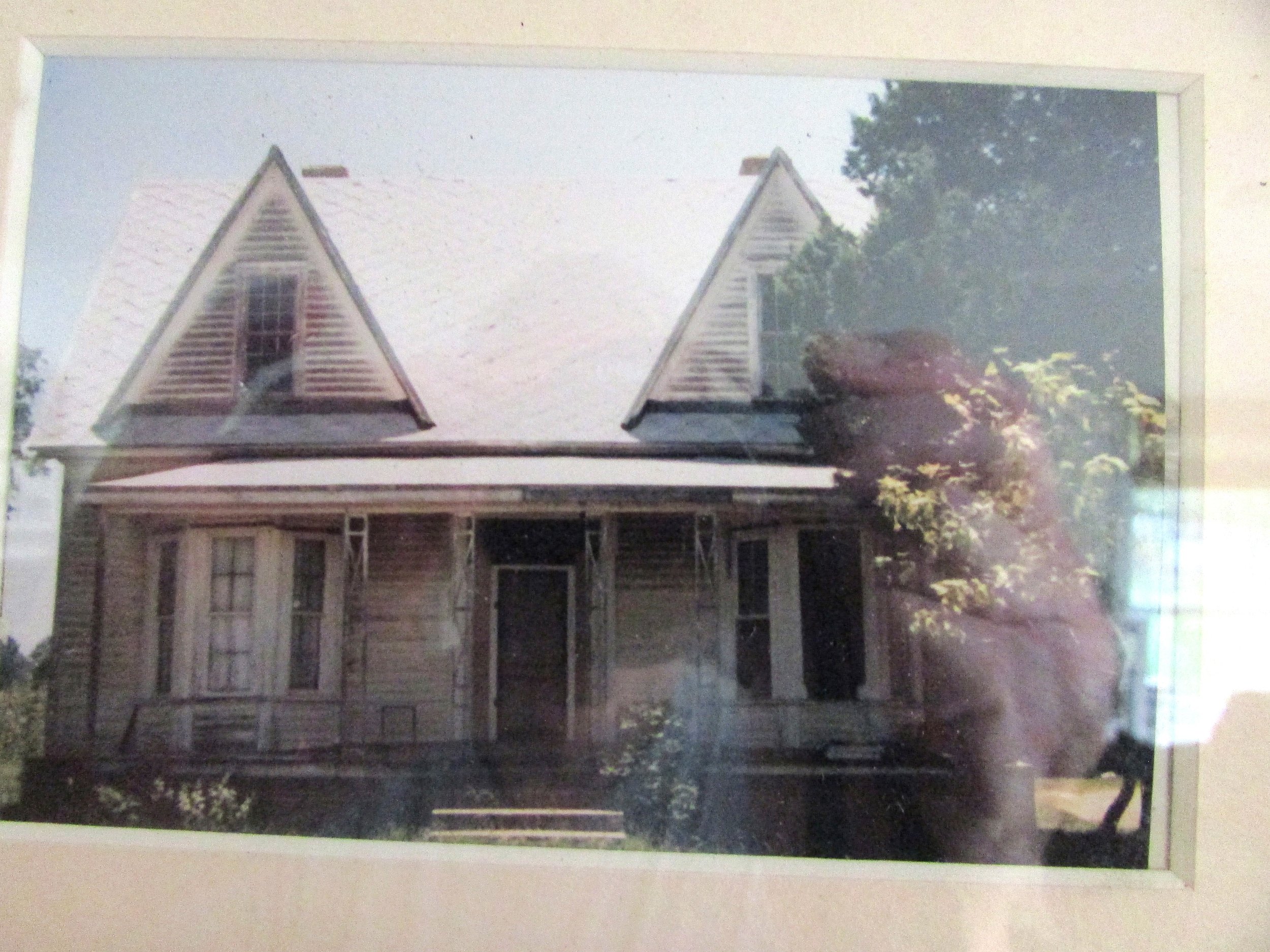
This is a photo of me and my brothers and sisters and the house we lived in on an un-named dusty dirt road in Burke County, Georgia.
This photo was taken in 1951. From left to right, Nell, age 15, Jesse, 10, Jimmy, 5, Virginia, 8, me, 3, Lucile, 11, (possibly 12), and Helen, 14. It is the earliest known photo of me. Because we are wearing shorts, and me and Jimmy are barefooted, it must have been made in the spring or summer of ’51. The truck in the photo was a ’47 Ford.
Humble Beginnings
I was born in 1947 at University Hospital in Augusta, Georgia, in Richmond County. I was the only one of my parents seven children to be born in a hospital. It was only because of “complications” Mother had during my birth that I had that honor. I was the last of her seven children. That may explain why I was my mother’s favorite child. Daddy was a farmer. The more children he had, the more crops he could grow. Crops were mostly planted, worked, and harvested by hand. My birth ended Daddy’s dream of having ten children. That may explain why I was his least favorite. Helen and Jesse held that honor jointly.
However, my home was in neighboring Burke County, where my parents farmed and raised their family. Our farm was known as The Carswell Place, once a prominent plantation. Waynesboro was the county seat and, to us, "Town." Daddy rented the place from the Templeton brothers. They were wealthy, by our standards, farmers and landowners in Burke County. The house was built in the late 1800’s. It was located a mile south of Blythe, a small town in Richmond County. It was a Dog Trot style house. So named because a central hallway divided the house into two distinct sections. A dog could enter the house via the front door and trot down the hall and out the back door without entering any other room. Houses in those days had porches where the occupants could escape the brutal summer heat. This house had a front porch that extended almost all the way across the front, a side porch, and a rather large back porch. A stairway in the central hallway led to two bedrooms upstairs. There was a cold-water faucet in the kitchen, supplied by the windmill out back. That was the entire plumbing system. Mother cooked our meals on a wood fired stove. A wood heater in the family room was the only source of heat except for a kerosene heater in the rarely used living room. The living room was used only when the preacher came for Sunday dinner and later when my sisters were old enough to have boyfriends visit. The “necessary house” was a short distance down the well-traveled path from the back stoop off the kitchen. It had a wooden seat with three holes for sitting. I remember thinking when sitting over one of the holes, why three? This was certainly not an event I wanted to share with anyone.
Our farm was typical of so many others in the county. We had two cows for milk and a steer that would be butchered in the cool days of Fall for meat. My sister Virginia was the milk maid. I held a lantern or flashlight for her to milk by in the morning darkness before the school bus arrived. She milked again before dark. The two milkings produced ten gallons of milk per day. The cream was skimmed off the top and made into butter. We didn’t have a refrigerator, only an icebox, so the milk the family didn’t use in a day was fed to the pigs. Pigs were our main source of meat, and a source for quick cash. We frequently took pigs to the stockyard in Waynesboro to sell. A Number One pig would weigh between 180 and 220 pounds and would bring the highest price per pound. On a good day, when there were not too many pigs at the sale, a Number One pig could sell for as much as 20 cents per pound.
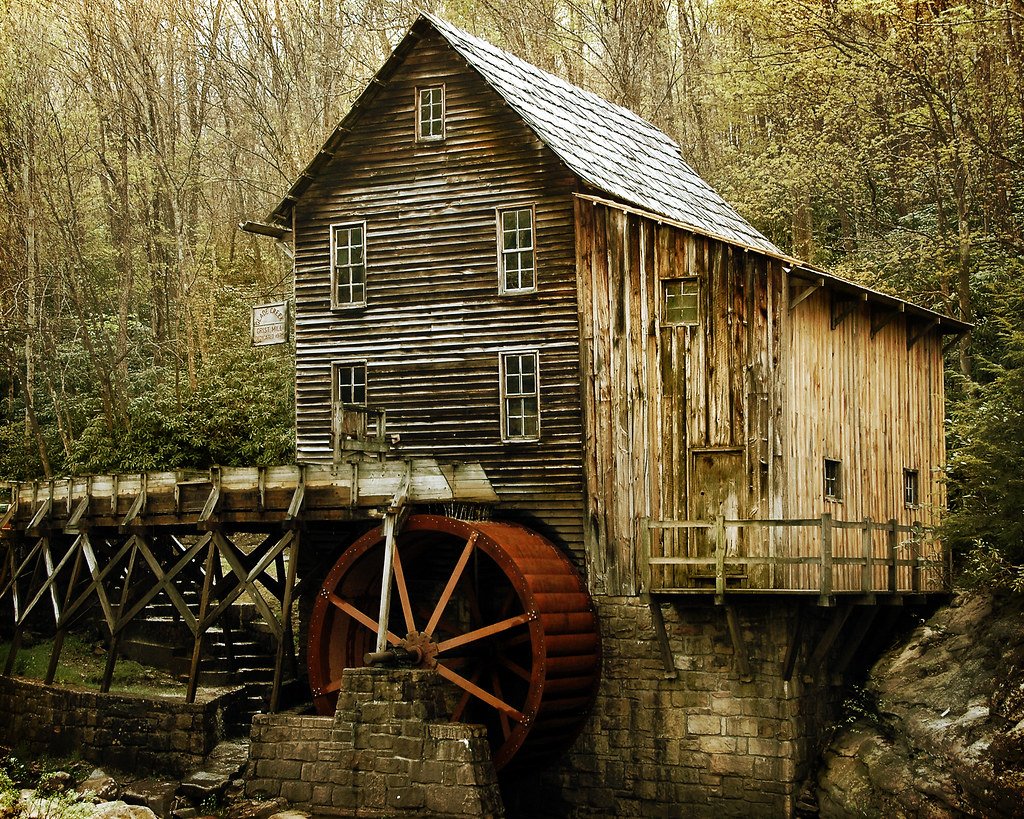
The vegetable garden was large, almost an acre. There were nine of us eating from that garden, so it had to be large. A lot of summer evenings were spent on the front porch shelling peas and beans from the garden to be canned the next day. Field crops we grew included watermelons and cantaloupe that we sold door to door in Augusta. Corn was grown mostly to feed the cows and pigs, but we took some to the water-powered grist mill near Keysville to have it ground into cornmill for cornbread. Cornbread was frequently on our dinner table. The Miller, Mr. Jimmy Poole, kept 10% of the meal as his fee for grinding the corn. I can still hear the humming of the mill machinery, a lot of which was handmade from wood, and smell the freshly ground corn in my memories.
Cotton was our main money crop. We planted cotton seeds in the spring with a planter mounted on a one row Farmall Model A tractor. When the seeds were in the ground, Daddy would look up at the sky and say, “God, we planted the seeds you provided for us. Now we need you to send the rain.” Sometimes he did. Sometimes he didn’t.
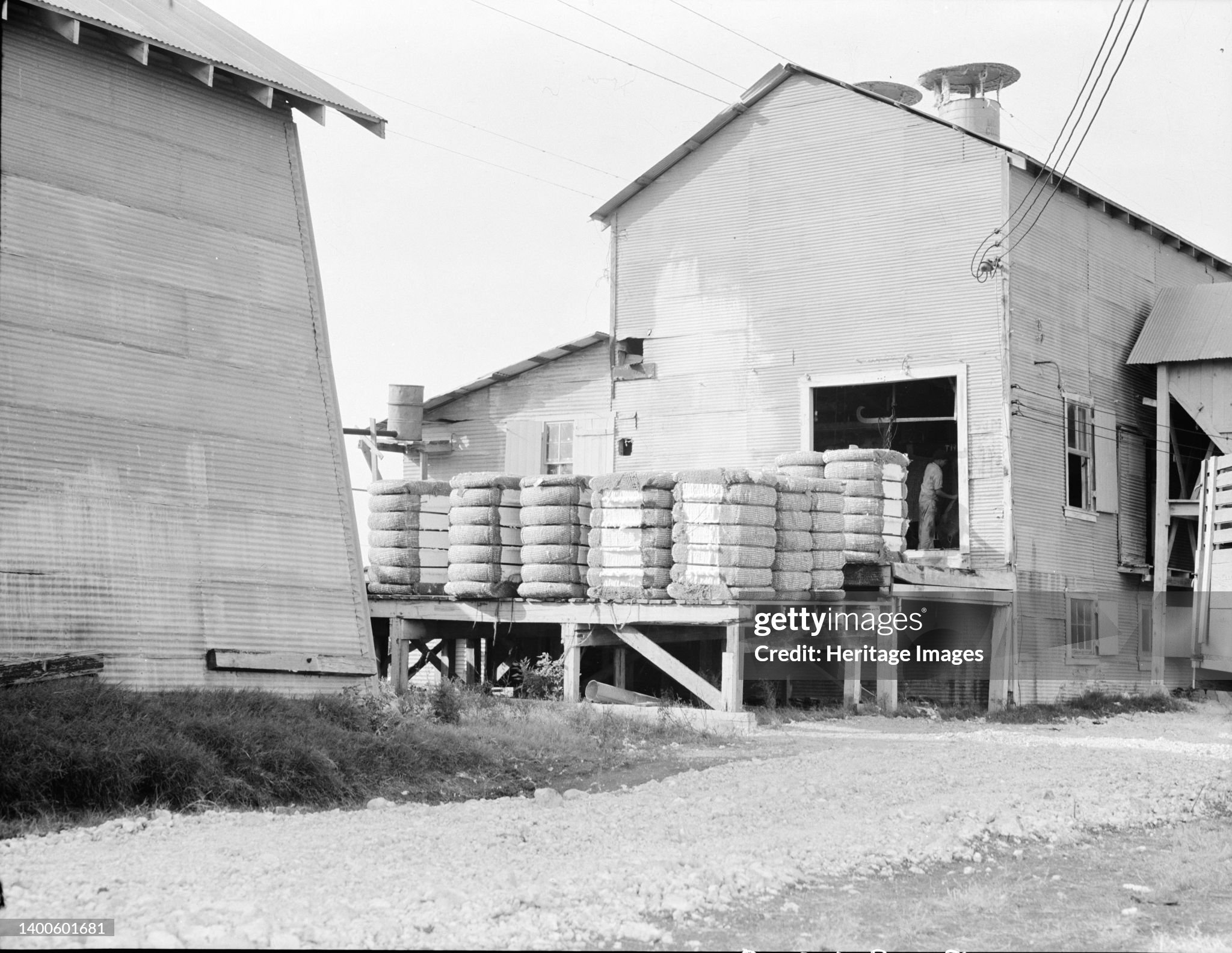
When the cotton came up and was a few inches tall, we thinned it with a hoe so that the stalks were about 6 inches apart, giving them room to grom tall and strong. The hoe also removed any weeds present at that time. We called this activity “chopping cotton”. It was a family affair. Everyone participated as they did with all the farm work. As the cotton grew, it was plowed weekly with the Farmall to remove the fast-growing weeds. Helen and Jesse were the tractor drivers. The plowing stopped when the cotton was too tall to pass under the tractor without damaging the stalks. At this stage, the cotton plants shaded the ground between the rows stopping the weeds growth. When the cotton started “putting on” bolls that would open one day and reveal the cotton inside, Daddy would check the bolls every few days for the dreaded Boll Weevil. If many were found, the cotton was sprayed with an insecticide to kill them. If not held in check, they could destroy the entire crop. When the bolls opened mid-August and the cotton dried in the hot Georgia sun, we picked the cotton by hand. Mother made me a cotton sack out of a flour sack when I was 4 years old. I went to the field with the others to pick cotton. I really couldn’t pick much at that age, but it meant no one had to stay in the house to babysit me, therefore putting one more good picker in the field. By the time I was 6, I was a good cotton picker. I could pick 20 pounds in a day. The older children could pick as much as 100. With the whole family in the field, we picked nine rows at a time. 36 rows in a day. When we reached the end of the row, we emptied our sacks full of cotton onto sheets. Each of us had our own sheet. At the end of the day, each sheet was carefully weighed by Daddy, and the weight recorded. Daddy paid us kids two cents per pound for each pound we picked. We would use that money to buy school clothes, ordered from the Sears and Roebuck catalogue. When we had thirteen hundred pounds of cotton, that was enough to make a bale of ginned cotton weighing 500 pounds. We took the cotton to the gin in Keysville. The cotton gin operated only during cotton picking time. The gin separated the cotton fibers from the seeds. The gin company kept the seeds as payment for the ginning fee. The first two bales of cotton ginned each year paid the year’s rent for the farm.
The hum of the gin machinery and smell of freshly ginned cotton, like that of the cornmill and corn, are also permanently etched in my mind.